 Curriculum-aligned STEM models
Brings the laboratory into the classroom.
Luminary makes curriculum science observable, demonstrable and interactive. Students work with hands-on models they can touch and test, then see the same idea on screen, including what the eye can't see.
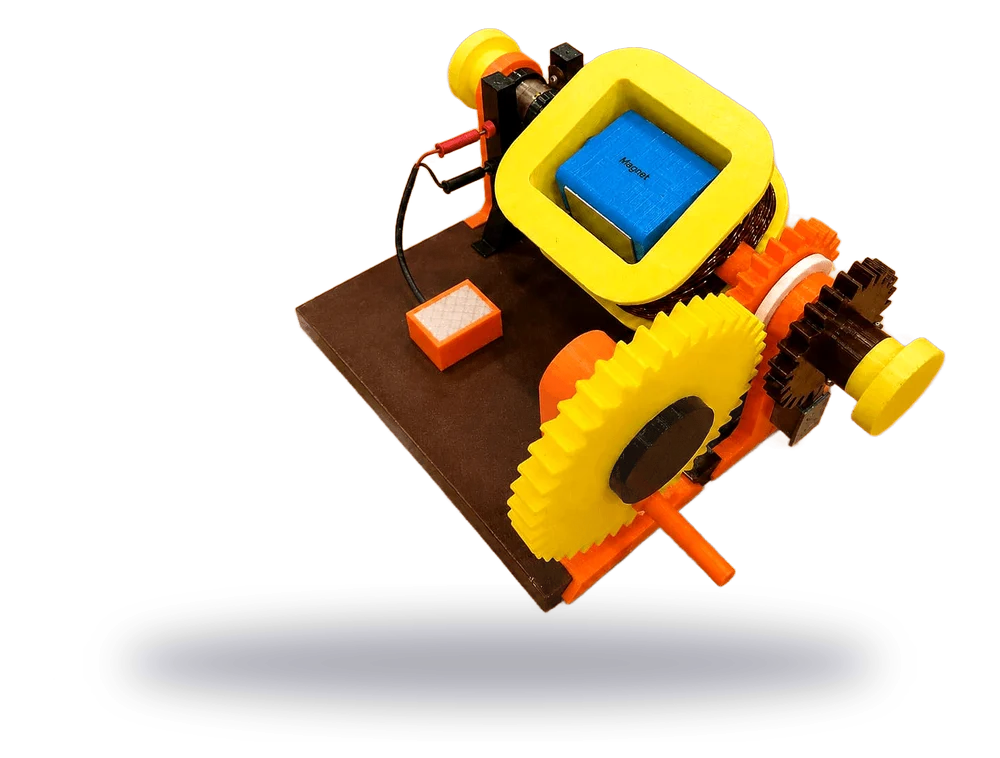
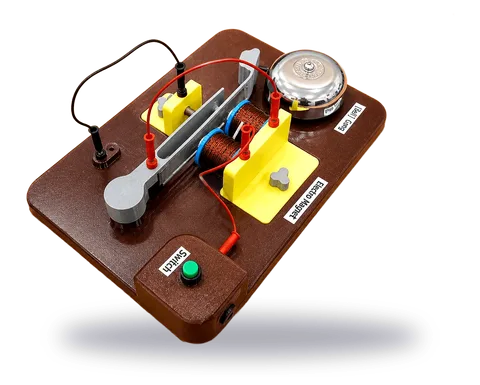 8Electromagnetic InductionField of a solenoid
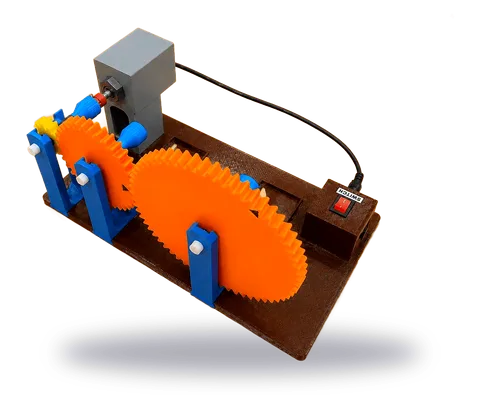
8Gear RatioForce and its effects
8Electromagnetic BellMagnetic effect of current
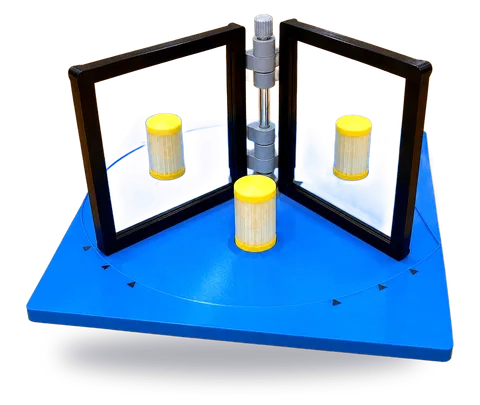
7Imagine ITImages in plane mirrors
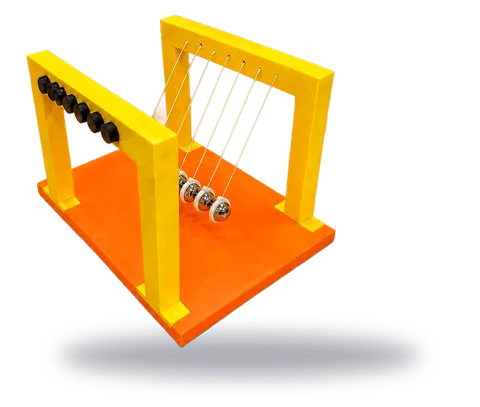
9Newton's CradleLaws of motion
Numbered badges show the grade each model supports.
Observable. Demonstrable. Interactive.
Every Luminary model is built to keep these three promises in an ordinary classroom, with an ordinary timetable.
Observable
The idea is something students can see happen: the LED that lights, the needle that turns, the ball that swings back. They're not asked to imagine it.
Demonstrable
Sturdy, classroom-sized models a teacher can set up in minutes and demonstrate to the whole class, period after period.
Interactive
Students build, change and measure, then see the same experiment visualised on screen, with the forces, fields and energy made visible.
Hands on the model, then eyes on the screen
Luminary sessions come in two forms that work together.
- Hardware sessions: students work with the physical model to see the effect for themselves, whether it's a circuit, a pulley or a mirror.
- Visualisation sessions: the same concept on screen, showing what the eye can't see, such as current, field lines, energy and ray paths.
- Live, revision and enrichment: a session is live when a chapter is first taught, revision before an exam, and enrichment when there's room to go further.
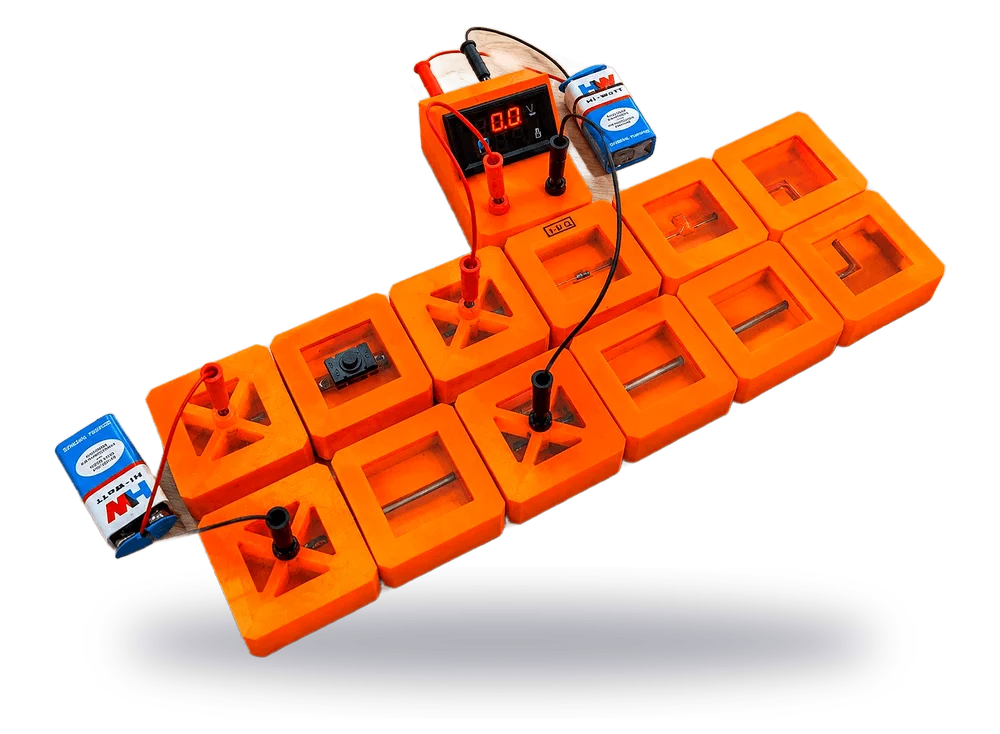 ✓Snap-together tilesBuild it by hand
1Hardware lineTouch, build, test
Models students remember
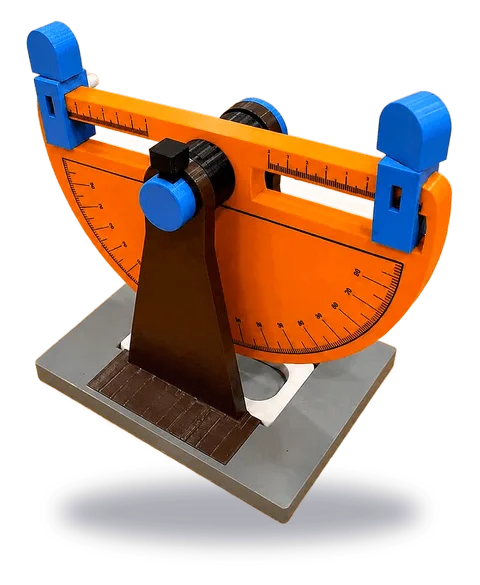
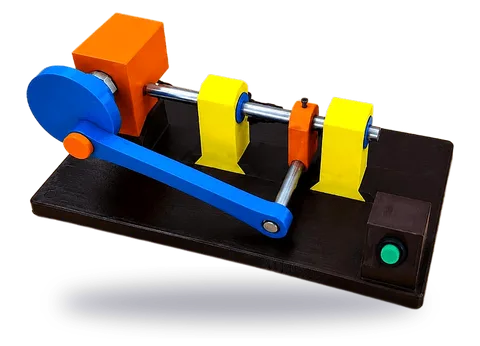
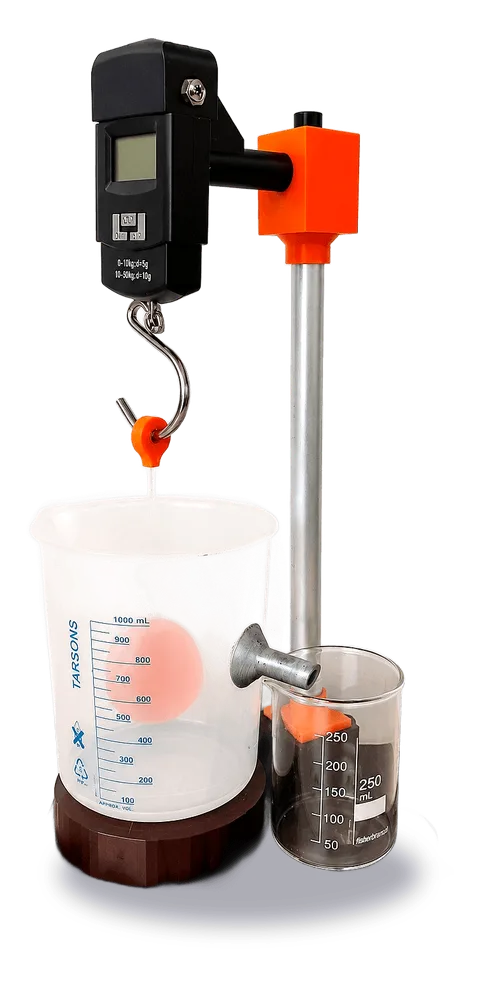
A few of the 32 Luminary models. Each one is built to make a single idea impossible to miss.
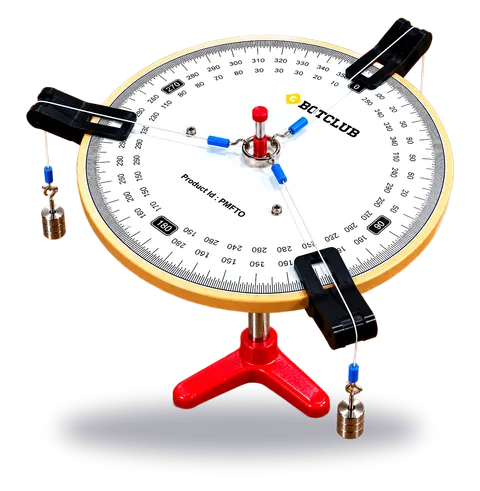
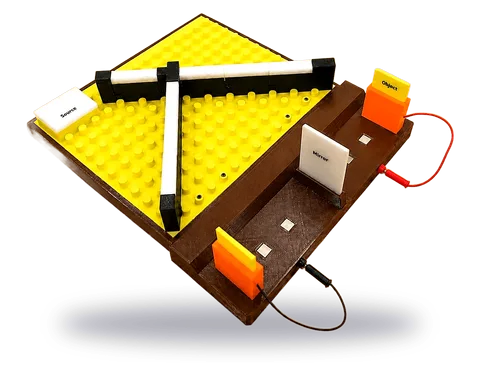
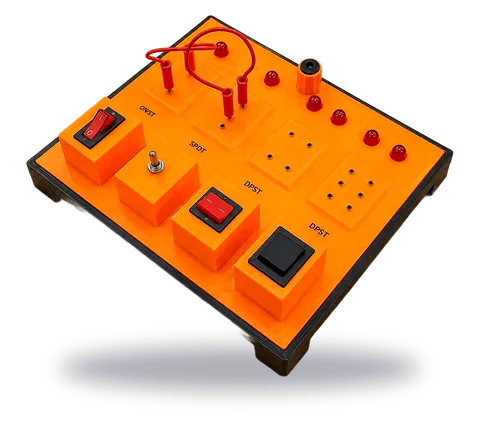
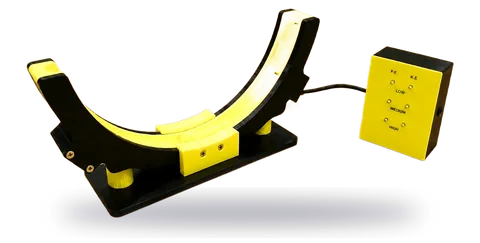
Models for every grade from 6 to 9
Some concepts run across grades, so a few models are used in more than one year.
Get the full model-by-chapter mapping
See exactly which chapter each of the 32 models supports, grade by grade. Leave your name and mobile number to open it here.
Here's the full mapping. Filter by grade, or ask us for a plan built around your timetable.
Every model has a place in your year
Before a kit reaches your school, we've already decided where each model will be used.
Syllabus map
Each model is matched to your grades and chapters, with gaps and open questions written down and agreed with your coordinator.
Month-by-month plan
Sessions are placed in the month each chapter is taught, with revision sessions before mid-terms and finals and nothing scheduled on exam dates.
Every model accounted for
The plan lists where every model is used during the year. If a model is used only once, we flag it so it can be reused in a later revision session.
Ready before the session
Kits are checked and set up with your lab staff so teachers start each session with working equipment.
Teacher-led, BotClub-supported
Teachers lead sessions, and we train them and support the first sessions in class.
Reviewed every term
Sessions delivered are compared with the plan and reviewed with school leadership, then the next term is adjusted.
See Luminary mapped to your syllabus
Share your grades and textbooks. We'll send a model-by-chapter map for your school and a draft plan for the term.